Contra (1987): The Run-and-Gun Legend Behind Gaming's Most Famous Cheat Code
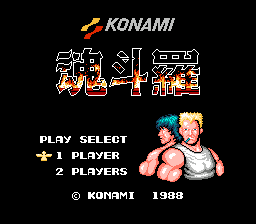
Every so often, r/80s surfaces something that cuts through four decades of noise. This week it was a link post with no commentary beyond a YouTube URL and one sentence: "A timeless run-and-gun action game, in this new no death run." The game was Contra, Konami's 1987 arcade classic, and the video shows a player finishing all eight NES stages without dying once — something that was physically possible in 1988 and statistically improbable then, now, and forever.
Thirty-nine years on, Contra still earns that kind of effort. Here's why.
1987: The Arcade Fires First
Contra debuted in Japanese arcades on February 20, 1987, and it wore its influences openly. This was the era of Predator and Rambo, of muscle-bound commandos mowing through jungles on movie screens, and Konami built its game around exactly that fantasy: two shirtless soldiers, Bill Rizer and Lance Bean, landing on the Galuga archipelago to exterminate an alien army called Red Falcon. Even the manuals leaned into the action-movie tone — the US version invented a meteor crash in the Amazon in 1957, while the Japanese version set the whole thing in the year 2633.
What made the arcade original special was its speed and its structure. Side-scrolling jungle runs alternated with base infiltration stages, all built around one-hit deaths and a two-player co-op mode that let a friend share the chaos. In 1987, simultaneous co-op in an action shooter was close to a luxury; Contra made it the point.
The NES Port That Outgrew the Arcade
The home version arrived a year later — February 2, 1988 in North America, February 9 on the Famicom — and it's the version most of the world remembers. Konami restructured the arcade's stage layout into eight NES stages, and the port actually split along hardware lines: the Japanese Famicom cartridge used Konami's VRC2 chip, which bought cutscenes between stages, a map of the Galuga islands, and animated background details like swaying palm trees and falling snow. The international NES release shipped on a cheaper UNROM board with half the ROM space, and lost all of it.
What nobody lost was the co-op. Two players, one screen, one shared riot of bullets — Contra became one of the defining social experiences of the NES era, the game you rented for a weekend and played until your thumbs gave out. It appeared in the first-ever issue of Nintendo Power in 1988. Ask anyone who owned it; they remember exactly who their player two was.
Up, Up, Down, Down, Left, Right, Left, Right, B, A
The code itself predates Contra — it first appeared in the NES version of Gradius, where it granted a fully powered-up ship — but Contra is the game that made it immortal. Enter the sequence on the title screen, press Start, and each player begins with thirty lives instead of the default three. In a game where a single bullet ends you, thirty lives was the difference between seeing stage three and finishing the game.
The Konami Code became the most famous cheat in gaming history. It has since turned up in Wreck-It Ralph, in Fortnite, and hidden across countless websites as an Easter egg. For the generation that grew up with NES controllers in hand, it was closer to muscle memory — ten button presses every kid of the era could recite like a phone number, even the ones who never owned Contra.
Nintendo Hard, and Proud of It
Contra's difficulty has its own vocabulary now: "Nintendo Hard." One-hit deaths. Losing your best weapon the moment you die, dropping back to the default rifle. A Spread Gun run that ends in one mistimed jump. The game demands pattern memorization and punishes improvisation, which is exactly why speedrunners adopted it — Contra remains a fixture at Games Done Quick, and the no-death run that just surfaced on r/80s is the modern form of an old playground bragging right. IGN ranked it among the 100 greatest video games of all time in 2019.
The Series Soldiered On
And the franchise never really stopped. Super C hit arcades within a year and reached the NES in 1990. Contra III: The Alien Wars pushed the formula onto the SNES in 1992, Contra Advance carried it to the GBA in 2002, and 2024's Operation Galuga gave the original a full modern remake. Its DNA runs through Metal Slug, Blazing Chrome, and every run-and-gun since that asked two players to share a screen and survive.
The cheapest way to check the legend is still the original: Contra (Japan) runs in a browser as the definitive Famicom shooter — cutscenes, island map and all. Pair it with Super Contra, sample the GBA era through Contra Advance: The Alien Wars EX, or dig deeper into the NES library that made "Nintendo Hard" a badge of honor. Thirty-nine years later, the jungle is still there, and the Konami Code still works.