27 Years of Ocarina of Time: Why the First 3D Zelda Still Sets the Standard
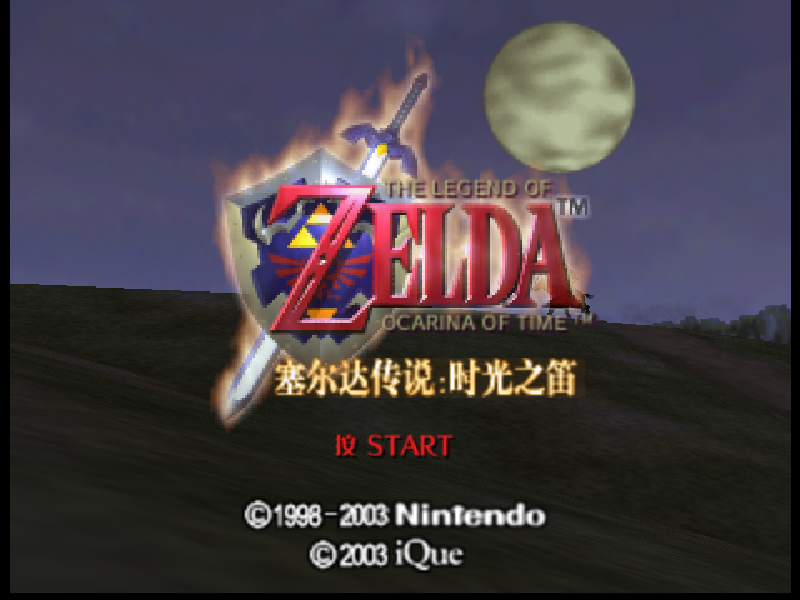
A thread popped up on r/zelda this past November: "its been 27 years since the release of The Legend Of Zelda Ocarina Time the original N64 release sold 7.6 million units and is the first legend of zelda game to use 3D graphics." The author, u/ThomasThorburn, ended with the only question that really matters for a game this old: "Tell what your first experience with the game was like, did it live up to your expectations?"
That question is the whole point. Ocarina of Time isn't discussed the way most games are. People don't review it; they remember it. And 27 years on, the memories are remarkably consistent.
The First 3D Zelda — and Suddenly Everything Else Looked Flat
When Ocarina of Time launched in November 1998 for the Nintendo 64, "3D adventure" was still something developers were figuring out in public. The original N64 release went on to sell roughly 7.6 million copies, and — as the r/zelda post correctly notes — it was the first Zelda game rendered in 3D.
But the number that matters more is the one you can't see on a sales chart: this was the game that taught the entire industry how to move a character through a 3D world. The lock-on camera, the Z-targeting system that lets you circle an enemy while keeping your guard up, the context-sensitive A button that meant "climb here" or "talk to her" depending on where you stood — none of that was obvious before OoT did it. It feels invisible now precisely because the game won the argument.
What Players Remember First
Ask anyone who was there, and the first memory is rarely a boss fight. It's space. Stepping out of Kokiri Forest into Hyrule Field for the first time and watching the camera pull back to show you just how big the world was. For a generation raised on 2D screens, that draw distance hit like a gut punch.
Then there's the music. Koji Kondo's score — the ocarina themes you literally play by inputting notes, the overworld march, the quiet dread of the Forest Temple — is one of the reasons the game lodged in people's heads. "Did it live up to your expectations?" the post asks. For most first-time players in 1998, the honest answer was that it exceeded them, because there was simply nothing else that felt this alive.
The tiny details stuck too: Navi buzzing "Hey! Listen!" in your ear, Epona galloping across the field once you'd earned her, the shift from child Link to adult Link and the sudden weight of the time that passed. These aren't mechanics. They're memories people are still happy to tell you about.
Did It Live Up to the Hype? (And Does It Still?)
Here's the part the anniversary posts tend to skip. Ocarina of Time finished with a 99 on Metacritic — for years the highest aggregate score any game had ever earned — and it topped "greatest game of all time" lists almost by default. But replay it cold in 2026 and the rough edges are real.
The camera, revolutionary in 1998, can fight you in tight spaces. The Water Temple remains a navigational puzzle that frustrates newcomers more than it should. A few of the jumps are finicky in a way modern games simply wouldn't ship. None of that undoes the game; it just means the "greatest ever" crown is partly a crown of when, not only what.
That's exactly why the modern recommendation is almost always the same: play Ocarina of Time 3D on the 3DS (2011). It keeps the world and the music, smooths the camera, and fixes the item-management headaches. The N64 original is the museum piece; the remake is the way to actually enjoy it today.
Why It Still Matters
Strip away nostalgia and OoT's real legacy is structural. It didn't just popularize lock-on targeting — it built the default language for 3D action games. Context-sensitive controls, a camera that respects the player, time travel used as a core mechanic rather than a gimmick: every action-adventure and open-world game that followed, from the later 3D Zeldas to the studios that built on them, is standing on this foundation.
You can see the through-line across the series. If OoT is where Zelda went 3D, A Link to the Past is the 2D high point it built on — and the place to go if you want to feel the DNA before the jump to polygons. The Master Quest version, with its remixed dungeons, is the same game turned into a puzzle box for people who'd already finished it once. And the whole Zelda saga is right here to browse.
Play It Today
Twenty-seven years is a long time for any game to stay in the conversation. Ocarina of Time did it by being less a product than a reference point — the thing everything else gets measured against. Whether your first experience was in 1998 on a CRT or you're about to have it for the first time tonight, the door's still open.
Play Ocarina of Time in your browser at OldGame.io — no cartridge, no emulator setup. Just play.