Did Mario Tennis Fever's Flop Change Nintendo's Switch 2 Pricing Forever?
Four days ago, Reddit user u/AutumnRCS walked into r/casualnintendo with a theory that sounds like bait until you check the dates: Mario Tennis Fever, they argued, is the most influential game of the Switch 2 generation — not for anything it did, but for what it failed to do. "It's very likely that this game failing is what caused Nintendo to start lowering the prices of some of their games," the post reads. "Games like Yoshi, Star Fox, and Ocarina of Time would be full price if this game didn't flop as hard as it did."
That's a strong claim. The timeline backs up more of it than you'd expect.
How Hard Did Fever Actually Flop?
Mario Tennis Fever launched on February 12, 2026 as a Switch 2 exclusive, developed by Camelot Software Planning and priced at a confident $69.99 — the same tier as console-defining releases, and well above what most people will pay for a sports spin-off. Japan's first-week numbers from Famitsu were grim: 39,522 physical copies in four days. The 2018 predecessor, Mario Tennis Aces, opened at 122,070. The Nintendo 64 original did 213,422 in its first week in 2000. Fever managed roughly a third of Aces' debut — the weakest launch in the series' modern history — and in the UK it slid from #2 on debut to #7 in its second week.
The reviews were fine, not damning: 77 on Metacritic across 103 reviews. Critics liked the 38-character roster (the largest in series history), the 30 Fever Rackets with powers like freezing the court or shrinking your opponent, and genuinely chaotic four-player multiplayer. They liked none of the following: an Adventure mode that takes three to five hours and plays like an extended tutorial, character animations visibly recycled from earlier entries, and — in nearly every review — the price.
Then came the quiet part. Nintendo's May 2026 financial report lists updated sales figures for every recent release that has crossed one million copies. Mario Tennis Fever is not in that report. Aces went on to sell roughly 4.5 million copies lifetime. Three months after launch, Fever still hadn't cleared its first million.
The $70 Problem
Nintendo has never had a "budget" first-party tier, and Fever wasn't a budget game. It launched at the same $69.99 as console-defining releases, into a fan base that had spent 2025 watching Switch 2 software prices climb. The pushback was immediate: a tennis spin-off with a four-hour campaign and reused animations, priced like a flagship. By June, Amazon was selling it for $49.94 — a record low, five months after release. Games do not drop nearly 30% that fast when they are selling well.
None of this makes Fever a bad game. By most accounts it's the most feature-rich Mario Tennis ever made. It just wasn't a $70 game, and enough players did the math with their wallets.
What Nintendo Did Next
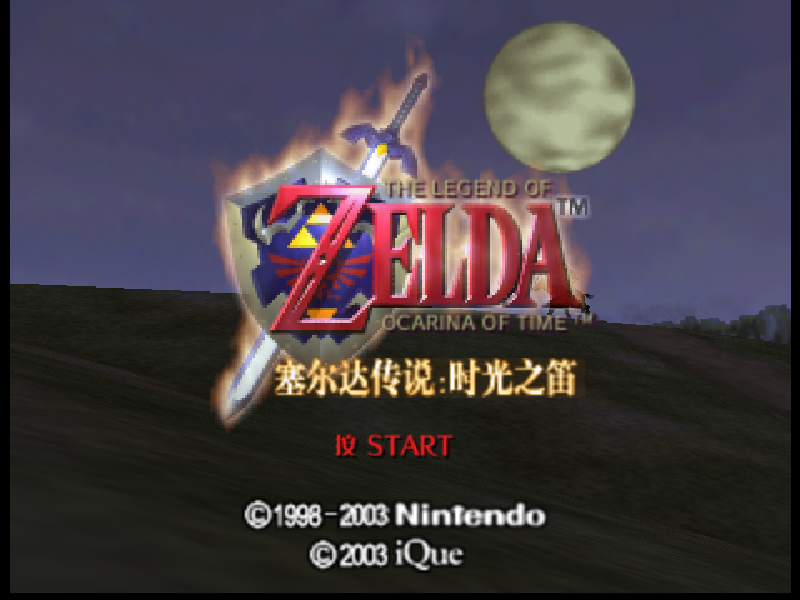
Here's where u/AutumnRCS's theory gets interesting. In May 2026 — the same month Fever went missing from the financial report — Nintendo quietly changed its pricing policy for new first-party Switch 2 exclusives: digital editions would cost $10 less than physical cartridges. Yoshi and the Mysterious Book was the first game to run the new structure, at $59.99 digital and $69.99 physical. The Star Fox remake, another rebuilt N64 classic, came in lower still at $49.99. Splatoon Raiders launched at $50. And the Ocarina of Time remake — out November 5 — landed at $59.99 digital.
Read that list again. Yoshi. Star Fox. Ocarina of Time. It is almost exactly the list from the Reddit post. The community noticed, and the running joke on Nintendo forums is that Star Fox owes Fever a thank-you card — fans have been half-mourning, half-thanking the tennis game for its sacrifice.
Correlation Isn't Causation — But the Timeline Rhymes
To be fair to Nintendo: no executive has ever said "we repriced our lineup because Mario Tennis Fever flopped." The company had other reasons to experiment — a wider spread of price points was already industry practice, digital margins were improving, and Ocarina of Time was always going to sit below Breath of the Wild pricing, because Nintendo prices remakes accordingly.
But the sequence is hard to ignore. A $70 mid-scope spin-off flops in February. A new, cheaper pricing structure debuts in May. Every comparable release since — sports spin-offs, N64 remakes, mid-budget sequels — has come in under the $69.99 line. Whether Fever was the cause or just the first very loud symptom, the premium-priced spin-off appears to be dead, and the games players actually wanted — Star Fox 64, Ocarina of Time, Yoshi's Island DS — all arrived at prices nobody was predicting in January.
Play the Classics While You Wait
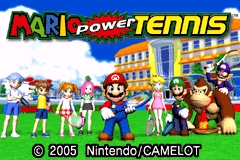
If the Ocarina of Time remake has you nostalgic, the original is right here. And if Fever taught you that $70 is too much for a sports spin-off, the series' high-water mark for single-player content costs you nothing: Mario Tennis: Power Tour on the GBA wrapped a full RPG campaign around its tennis, and two decades later it's still the most game the series ever fit on one cartridge. The whole GBA library is a reminder of what Nintendo's mid-tier used to be — and, if the Fever effect is real, what it's becoming again.