Ocarina of Time: How to Judge Remake Footage and Expectations
A phone recording of a game screen is a poor basis for a final verdict on its color. The camera, display settings, exposure and upload compression all sit between the game and the viewer. That does not make every criticism wrong; it makes the capture conditions part of the comparison.
Color is a separate question from performance
Whether a palette suits Hyrule is partly a matter of taste. Frame rate, camera control and loading behavior are different claims and need direct observation of the relevant build. A clip cannot establish a feature it never shows.
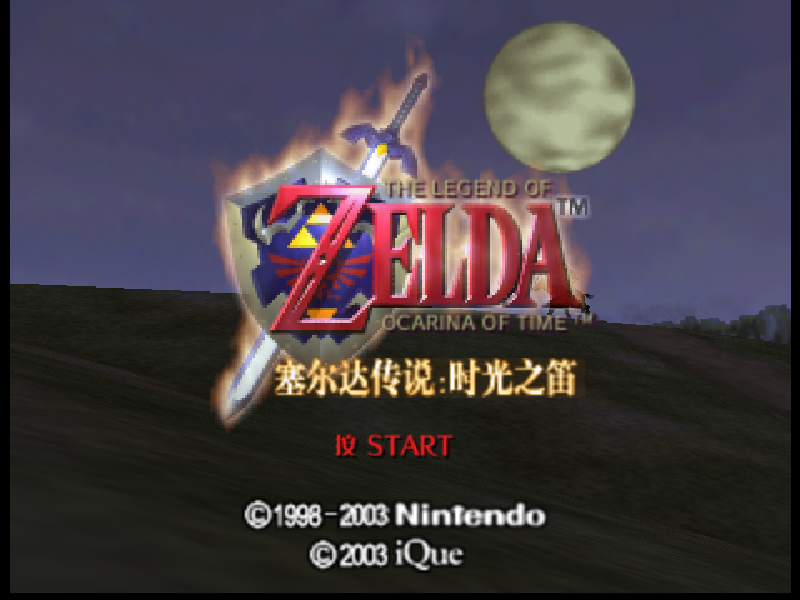
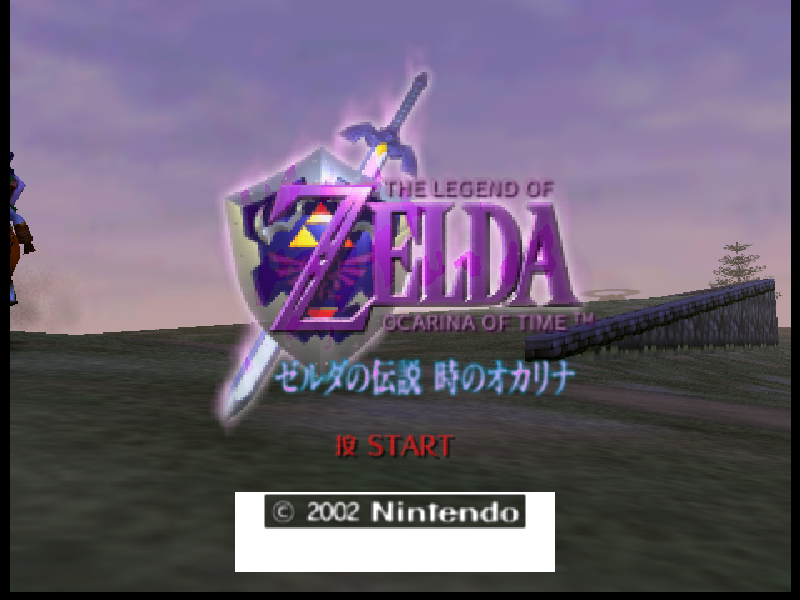
The original N64 Ocarina of Time is a useful design reference: lock-on combat, an overworld connected to dungeons, and items that open new routes. Compare those systems separately from surface detail.
A hope is not an announced feature
An expanded location, extra dungeon or Majora’s Mask follow-up may be something a player wants. It should not appear in a confirmed feature list without a publisher announcement. This discussion does not establish a Switch 2 remake date, price, voice cast or downloadable expansion.
Master Quest already offers rearranged dungeon puzzles in a separate version. Majora’s Mask is its own game with a different time-cycle structure, not an assumed add-on to Ocarina.
Match expectations to the game
Ocarina follows a concentrated dungeon-and-item progression. Expecting the scale and freedom of Breath of the Wild sets up a different comparison from asking whether a remake communicates the older design clearly. Start by deciding which experience you want, then judge a released build using identifiable footage or first-hand play.